Blog Green Revolution: What it Is, definition & effects on agriculture

The Green Revolution stands as one of the most transformative periods in modern agricultural history. Emerging during the mid-20th century, it marked a global effort to enhance agricultural productivity through scientific innovation, particularly in developing nations facing persistent food insecurity.
Download the ARTICLE Summary (PDF)
An AI-generated infographic summarizing the content of this article.
The term ‘Green Revolution’ was popularized by William Gaud, the former director of the U.S. Agency for International Development (USAID) in 1968, to describe the remarkable surge in agricultural production enabled by new technologies such as high-yielding crop varieties, synthetic fertilizers, pesticides, and modern irrigation systems.
At its core, the Green Revolution sought to address a pressing global dilemma: how to feed a rapidly growing population without triggering widespread famine or social instability. While its proponents celebrated the revolution as a triumph of human ingenuity and science, critics have argued that its benefits were unevenly distributed and that it introduced new economic, social, and environmental challenges. This article explores the multifaceted effects of the Green Revolution on agriculture, focusing on its historical development, technological advancements, socioeconomic outcomes, environmental impacts, and the ongoing debates regarding its legacy and future relevance in the context of sustainable agriculture.
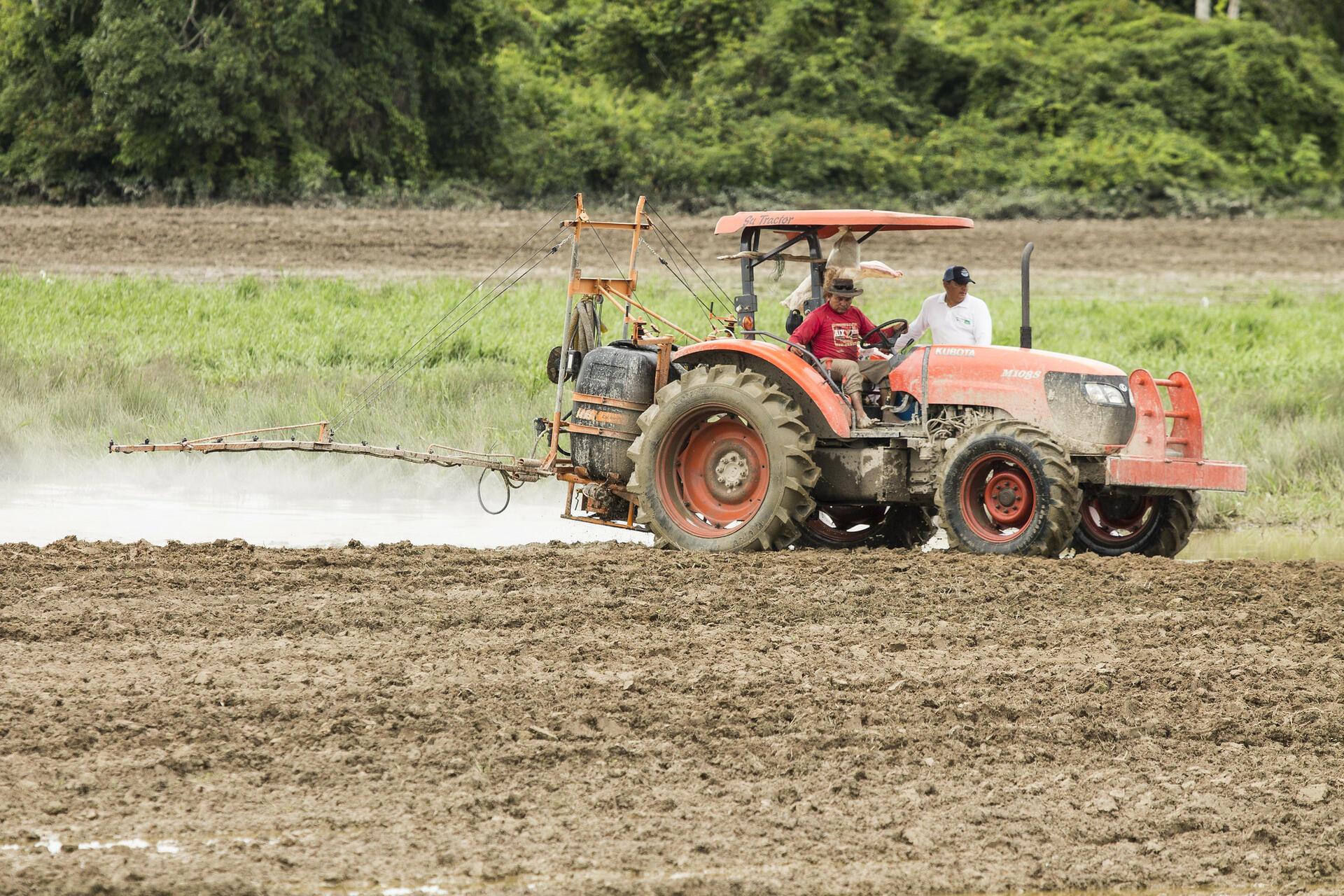
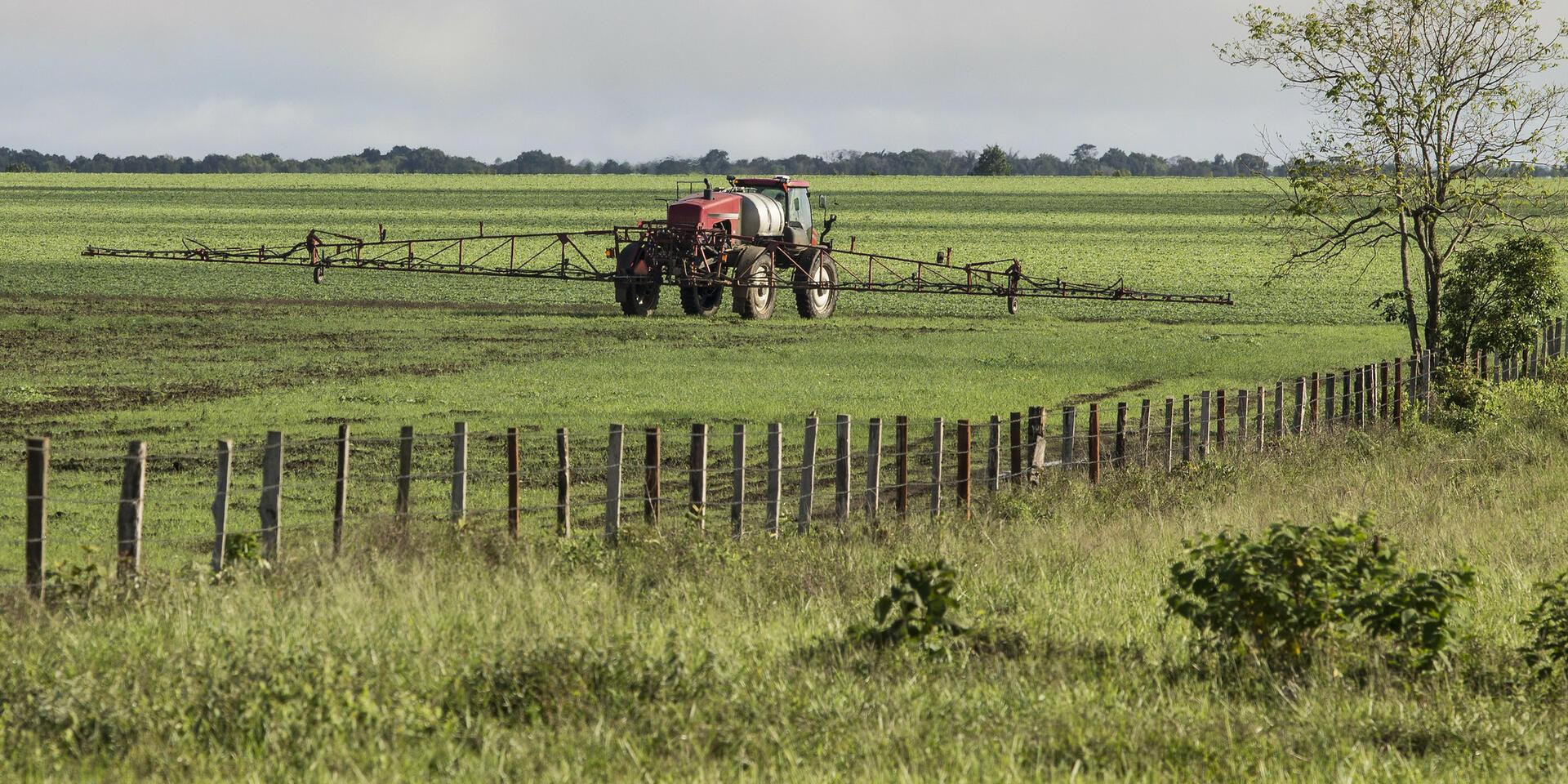
Farmers drive a tractor through their fields in Colombia. Credit: CIAT/Juan Pablo Marin García
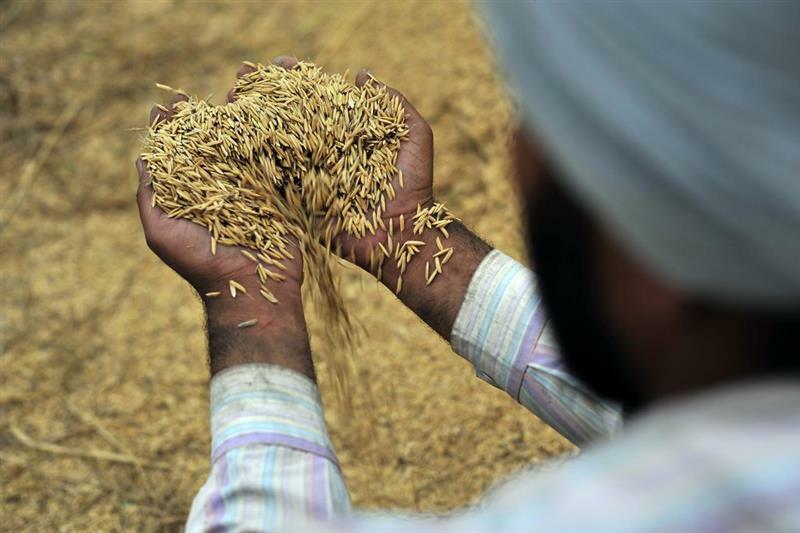
Threshing rice in India. Credit: CIAT/Neil Palmer
Historical background and origins
The pre-green revolution context
Before the mid-20th century, global agriculture was characterized by low productivity, limited technological innovation, and vulnerability to climatic fluctuations. Many developing countries in Asia, Africa, and Latin America suffered recurrent famines due to population pressures and stagnant agricultural systems. In countries such as India, Pakistan and Mexico, traditional farming practices relied heavily on rain-fed agriculture, indigenous seed varieties, and limited use of fertilizers or mechanization. Yields per hectare were low, and food production often lagged behind population growth.
Scientific and institutional foundations
The Green Revolution was rooted in advancements made by agricultural research institutions, particularly those supported by the Rockefeller Foundation and the Ford Foundation. In the 1940s, the Mexican Agricultural Program began a pioneering collaboration between the Mexican government and US scientists to improve cereal crop yields. Norman Borlaug, a key figure in this initiative, developed high-yielding, disease-resistant varieties of wheat that dramatically increased productivity.
Borlaug’s work earned him the 1970 Nobel Peace Prize and catalyzed similar efforts worldwide. The establishment of international agricultural research centers such as the International Rice Research Institute (IRRI) in the Philippines and the International Maize and Wheat Improvement Center (CIMMYT) in Mexico further disseminated high-yield varieties and agronomic innovations.
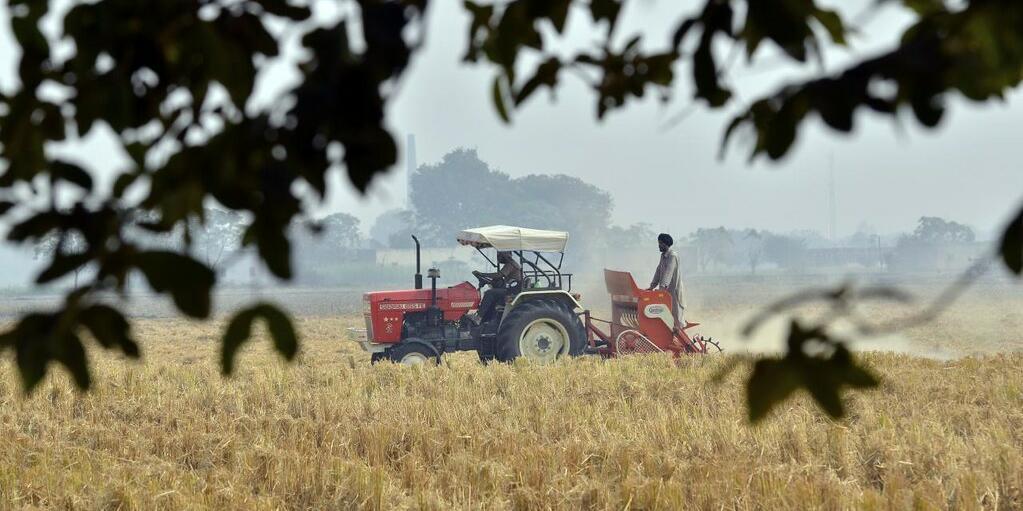
A farmer plants wheat in India. Credit: CIAT/Neil Palmer
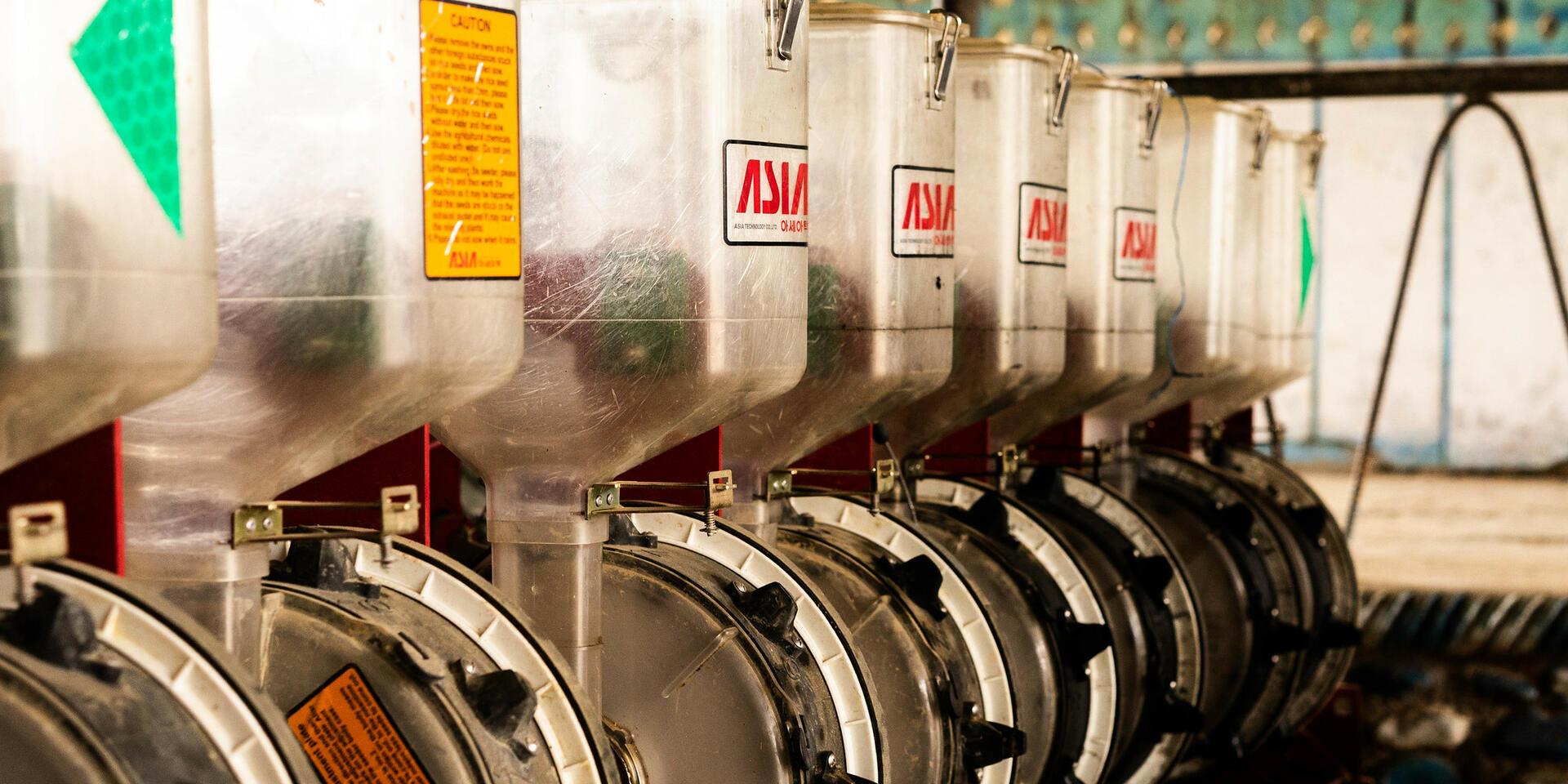
Food-processing machinery in the Philippines. Credit: CIAT/Miguel Mamon
Key Technological Innovations
The Green Revolution was built upon interrelated technological advancements that fundamentally altered the way food was produced across the world. These innovations extended beyond merely improving crop genetics; they included chemical, mechanical, managerial, and infrastructural components that collectively enabled intensive agricultural production on an unprecedented scale. Key innovations include:
High-yielding varieties (HYVs)
The development of high-yielding varieties of major cereals was the central pillar of the Green Revolution. HYVs were the result of rigorous plant breeding programs that sought to combine higher genetic potential for grain production with traits such as more resilient plant stature, early maturation, and resistance to pests and diseases. For example, traditional tall cereal varieties tended to break under the weight of large grain heads; by contrast, semi-dwarf HYVs, such as the wheat varieties created under Norman Borlaug’s leadership and the rice variety IR8 developed at IRRI, were shorter, sturdier, and capable of absorbing much greater quantities of nutrients without collapsing.
These crops also featured improved harvest indices, meaning a larger proportion of the plant’s biomass was converted into grain. The result was a dramatic increase in yield potential. For instance, IR8 doubled or even tripled rice yields in regions such as the Philippines and India. Moreover, HYVs often matured faster, allowing farmers to plant two or even three crops per year, thus intensifying land use. Although HYVs required careful management and optimal input conditions, their adoption represented a complete paradigm shift in agricultural production for many developing nations.
Chemical fertilizers and pesticides
The capacity of HYVs to realize their yield potential depended heavily on the increased use of chemical fertilizers and pesticides. Prior to the mid-20th century, nutrient inputs in many agrarian societies came predominantly from organic sources such as manure, compost and crop residues. While effective to an extent, these inputs were insufficient to support the nutrient demands of modern HYV-based systems.
Synthetic fertilizers, especially nitrogen-based products like urea and ammonium nitrate, provided crops with readily available nutrients essential for rapid vegetative growth and grain formation. Phosphorus and potassium fertilizers bolstered root development, disease resistance, and overall plant health. The expansion of fertilizer manufacturing and government-subsidized distribution channels helped make these inputs accessible to many farmers, albeit unevenly across regions and socioeconomic groups.
Pesticides — including insecticides, fungicides, and herbicides — further strengthened the productivity of HYVs by reducing crop losses from pests, weeds, and diseases. In many regions, pest damage could previously wipe out 20–40 percent of yields, but with chemical pest control, crop survival and consistency improved significantly.
However, overreliance on these chemicals introduced new ecological risks such as soil toxicity, water contamination, and the emergence of pesticide-resistant pests.
Irrigation infrastructure
The Green Revolution’s success was profoundly shaped by the expansion and modernization of irrigation systems, as monsoon-dependent or rain-fed agriculture could not guarantee the consistent moisture needed for HYVs.
Governments in Asia and Latin America invested heavily in canal irrigation, dam construction, and the development of groundwater extraction technologies such as tube wells and electric or diesel pumps. Regular irrigation enabled farmers not only to cultivate HYVs successfully but also to shift from single to multiple cropping cycles per year.
Reliable water access also enhanced farmers’ willingness to invest in fertilizers and other inputs, knowing that their crops would not fail due to drought. Yet, the emphasis on water-intensive crops like rice and wheat also contributed to long-term environmental challenges, including aquifer depletion and soil salinization — complexities that continue to influence policy debates today.
Mechanization and farm management
Mechanization played an important role in enabling large-scale adoption of Green Revolution technologies. Tractors, threshers, tillers, seed drills, and combine harvesters significantly reduced the labor and time required to perform key agricultural tasks. This mechanization facilitated timely land preparation, sowing, irrigation, and harvesting — all essential for achieving the high yields promised by HYVs.
In regions where labor shortages existed, or where agricultural seasons were tightly constrained by climate, mechanization drastically improved efficiency. However, mechanization also had social and economic implications. Wealthier farmers, able to purchase machinery or hire custom operators, gained a competitive advantage. Smaller farmers often relied on shared or rented equipment. Over time, mechanization contributed to rural labor displacement in some regions, altering traditional agrarian labor structures.
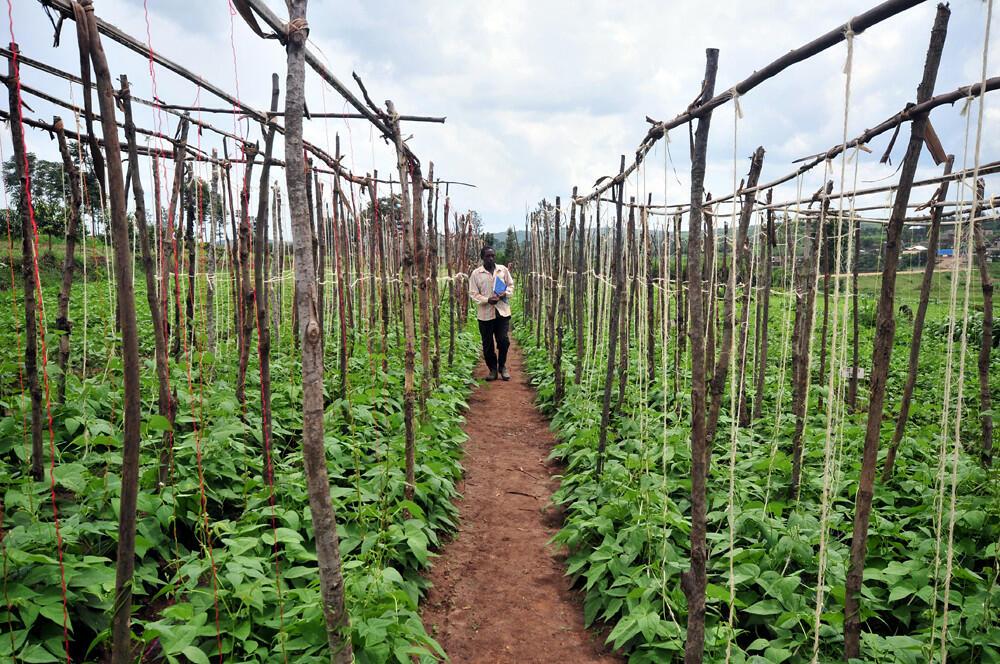
Bean plantation in Rwanda. Credit: CIAT/Neil Palmer

Packaging rice in India. Credit: CIAT/Neil Palmer
Economic and social impacts
Increased agricultural productivity
One of the most celebrated outcomes of the Green Revolution was the substantial rise in agricultural productivity. Between 1960-1985, cereal production in developing countries nearly doubled, while the area under cultivation expanded only modestly. These gains transformed countries that once faced chronic food shortages into self-sufficient or even surplus producers.
Reduction in famine and hunger
By boosting food availability, the Green Revolution contributed to a dramatic decline in famine incidence. The increased food supply improved nutritional access and reduced dependence on food imports. Many scholars credit the Green Revolution with preventing widespread hunger in regions that would otherwise have faced catastrophic food insecurity.
Rural income and employment effects
The Green Revolution stimulated rural economies through increased farm incomes, agricultural employment, and the growth of related industries such as fertilizer production and machinery manufacturing. Farmers who adopted new technologies experienced higher profits, and the multiplier effects spread to rural service sectors and markets. However, the benefits were not evenly distributed. Large and medium-scale farmers with access to credit, irrigation, and extension services reaped substantial gains, while smallholders often struggled to keep pace due to high input costs.
Social inequality and land concentration
The uneven diffusion of Green Revolution technologies exacerbated existing social inequalities in many rural societies. Wealthier farmers could afford the initial investments in seeds, fertilizers, and irrigation equipment, while poorer farmers either adopted the technologies late or were marginalized altogether. This dynamic led to increased land concentration as smallholders sold their land to larger producers. The social structure of rural areas shifted, with rising disparities in income, power, and access to resources.
Gender implications
The Green Revolution also had significant gendered effects. While men benefited more directly from mechanized farming and commercial agriculture, women’s roles often became more marginalized. Traditional female tasks such as seed selection and subsistence farming were displaced by male-dominated activities associated with cash cropping and technology management. Nonetheless, in some contexts, women found new opportunities in agroprocessing, labor markets, and local trade networks.
Environmental consequences
While the Green Revolution succeeded in boosting food production, it also introduced serious environmental challenges that continue to shape contemporary debates on agricultural sustainability.
Soil degradation and nutrient imbalance
Intensive use of chemical fertilizers led to soil degradation and nutrient imbalances. Over time, the repeated application of nitrogen-based fertilizers without corresponding replenishment of organic matter reduced soil fertility. In many regions, continuous monocropping and inadequate crop rotation practices contributed to declining soil health and reduced long-term productivity.
Water depletion
The expansion of irrigation, while crucial for productivity gains, has also resulted in severe groundwater depletion. The ongoing unsustainable use of water resources poses significant risks for future agricultural viability.
Pesticide pollution and biodiversity loss
The heavy use of chemical pesticides has contaminated soils, waterways, and ecosystems, leading to declines in beneficial insect populations and biodiversity. Pesticide residues have also entered food chains, raising concerns about human and animal health. Moreover, the reliance on a narrow set of high-yielding varieties reduced genetic diversity within crops, making them more vulnerable to pests, diseases, and climate variability.
Greenhouse gas emissions
The Green Revolution contributed indirectly to greenhouse gas emissions through energy-intensive fertilizer production, mechanization, and irrigation pumping. These emissions have implications for global climate change, underscoring the need for more sustainable agricultural practices.

Coffee farmer in Colombia. Credit: CIAT/Neil Palmer
The second green revolution and sustainable pathways
As the global agricultural landscape evolves under the pressures of population growth, environmental degradation and climate change, the concept of a ‘Second Green Revolution’ has emerged as both a necessity and a framework for reimagining how food is produced. Unlike the first Green Revolution — which largely emphasized maximizing yields through high-input technologies — this new phase seeks to integrate productivity with ecological resilience, social equity, and long-term sustainability.
Towards sustainable intensification
Sustainable intensification aims to produce more food on existing farmland while minimizing environmental harm. It prioritizes practices such as integrated nutrient management, conservation tillage, agroforestry, and diversified cropping systems that enhance soil structure, retain moisture, and improve biodiversity. These approaches contrast with earlier models that encouraged monocultures and heavy chemical dependency. The principle is not merely to grow more, but to grow smarter — using data-driven decision-making, ecological principles, and locally adapted strategies that reduce greenhouse gas emissions and restore degraded ecosystems.
Biotechnology and genetic engineering
Advances in biotechnology continue to redefine the possibilities for crop improvement. Modern breeding techniques make it possible to develop varieties that can tolerate salinity, heat, drought, and emerging pests — challenges increasingly linked to climate change. While debates persist regarding biosafety, intellectual property rights, and consumer acceptance, biotechnology remains a powerful tool for improving food security in regions where environmental stress threatens traditional crops.
Climate-smart agriculture
Climate-smart agriculture (CSA) represents a comprehensive approach that blends adaptation, mitigation, and productivity goals. CSA promotes innovations such as precision irrigation systems, climate-resilient crops, carbon-sequestering soil practices, and renewable energy integration in farm operations. The approach also emphasizes risk reduction through early-warning systems, crop insurance, and climate-information services that help farmers anticipate weather variability. In many developing countries, CSA is being mainstreamed into national agricultural policies as governments recognize that climate change will increasingly shape food availability and agricultural livelihoods.
Empowering smallholders and local innovation
A crucial component of the Second Green Revolution is ensuring that technological and ecological advancements reach marginalized farming communities. This requires strengthening land rights, improving credit accessibility, expanding digital extension services, and fostering participatory research that respects indigenous knowledge systems. Smallholders — especially women farmers — play a central role in global food production, and their involvement is essential for fostering inclusive, adaptable, and culturally appropriate agricultural systems. By focusing on equity and local innovation, the Second Green Revolution aspires to avoid the social disparities that characterized its predecessor.
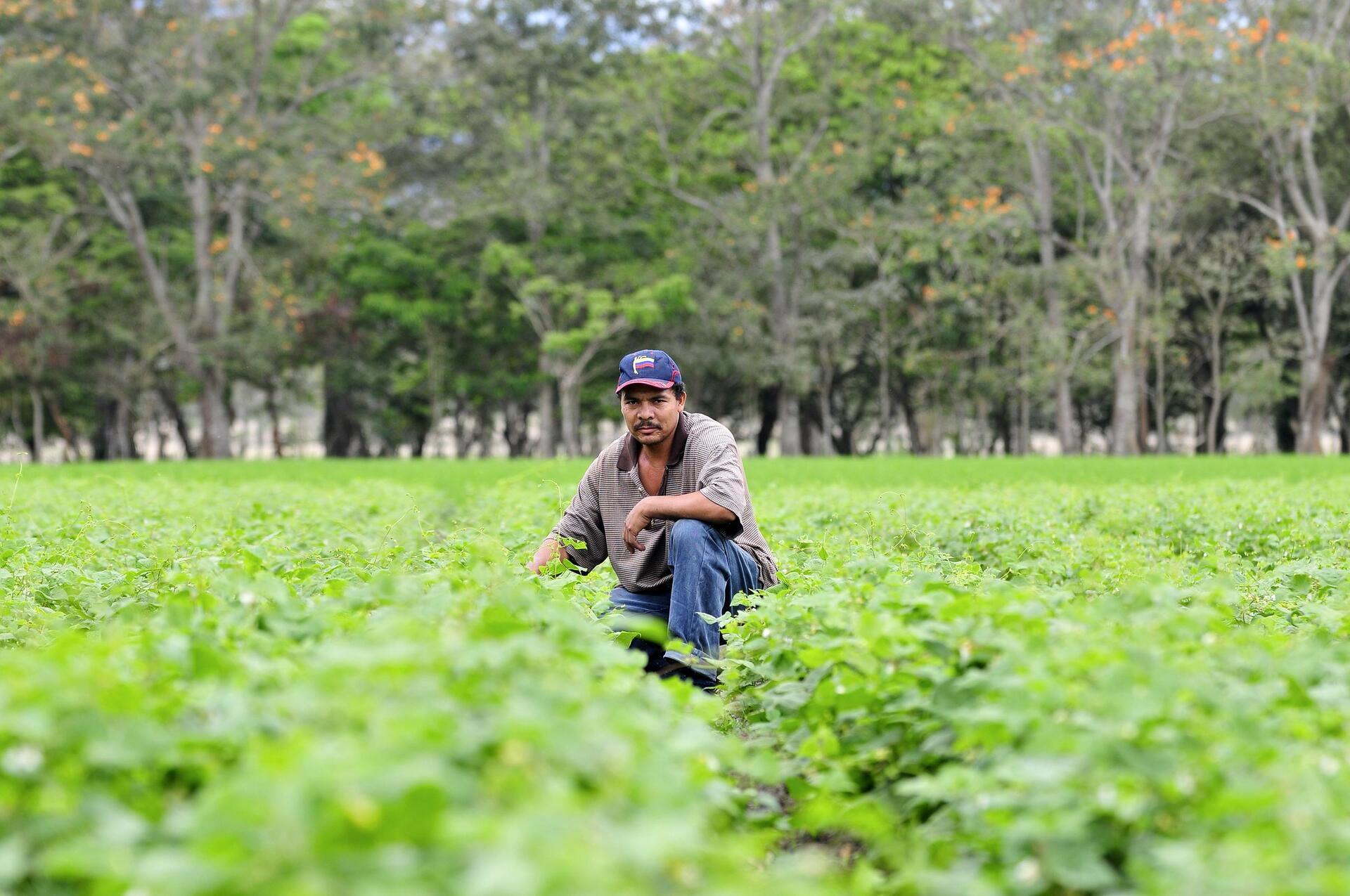
A farmer in his fields in Nicaragua. Credit: CIAT/Neil Palmer
Conclusion
The Green Revolution fundamentally reshaped global agriculture, averting famine and transforming food systems in many developing nations. Its legacy is one of both triumph and contradiction: it succeeded in boosting productivity and feeding billions, yet it also deepened social inequalities and generated environmental challenges that persist today.
As the world faces a new era of population growth, climate change, and ecological uncertainty, the lessons of the Green Revolution remain profoundly relevant. The task ahead is not to reject its achievements but to build upon them through a more holistic approach — one that integrates science, sustainability, and social justice. By combining the technological advances of modern agriculture with ecological wisdom and equitable development policies, humanity can strive toward a future in which the benefits of agricultural progress are both enduring and inclusive.
FAQs about Green Revolution
1. What is the Green Revolution?
The Green Revolution was a period of major agricultural transformation starting in the mid-20th century, in which new technologies, high-yielding crop varieties, synthetic fertilizers, pesticides, and modern irrigation, dramatically increased food production, especially in developing countries. The term was popularized in 1968 by William Gaud to describe this surge in productivity, which is widely credited with helping prevent widespread famine as the global population grew rapidly.
2. When did the Green Revolution start, and how long did it last?
The Green Revolution's roots trace back to the 1940s, when the Mexican Agricultural Program began a collaboration between Mexican and U.S. scientists to improve cereal crop yields. It gained global momentum through the 1960s and 1970s as high-yielding varieties and related technologies spread across Asia, Latin America, and other regions, with cereal production in developing countries nearly doubling between 1960 and 1985.
3. Why did the Green Revolution happen?
The Green Revolution emerged as a response to a pressing problem: how to feed rapidly growing populations in developing countries without triggering famine or social instability. Many regions in Asia, Africa, and Latin America were experiencing recurrent food shortages due to low agricultural productivity and reliance on traditional, rain-fed farming methods. Scientific breakthroughs — particularly Norman Borlaug's high-yielding wheat varieties — offered a way to dramatically boost food output and avert crisis.
4. What were the key technologies behind the Green Revolution?
Four innovations were central: high-yielding crop varieties (HYVs) bred for greater grain production and disease resistance; chemical fertilizers and pesticides that supplied the nutrients HYVs needed while reducing crop losses; expanded irrigation infrastructure, including canals, dams, and tube wells, which made consistent water supply possible; and mechanization — tractors, threshers, and harvesters — which sped up planting and harvesting at scale.
5. What were the effects of the Green Revolution?
The Green Revolution had wide-ranging effects across economic, social, and environmental dimensions. On the positive side, it sharply increased food production and helped reduce famine and hunger in many developing nations. However, it also brought lasting environmental costs — including soil degradation, groundwater depletion, and pesticide pollution — and its economic benefits were unevenly distributed, often favoring wealthier farmers over smallholders.
6. What were the benefits of the Green Revolution?
The Green Revolution's clearest benefit was a dramatic rise in food production: cereal yields in developing countries nearly doubled between 1960 and 1985, turning many food-insecure regions into self-sufficient or surplus producers. It also boosted rural incomes and employment, since farmers who adopted the new technologies often saw higher profits, with knock-on benefits for related industries like fertilizer production and farm machinery manufacturing.
7. What were the negative effects of the Green Revolution?
The Green Revolution's downsides included environmental harm — soil nutrient imbalances, groundwater depletion, pesticide contamination of ecosystems and food chains, and reduced crop genetic diversity — as well as social costs. Wealthier farmers with access to credit and irrigation benefited disproportionately, while many smallholders struggled with rising input costs, which in some regions deepened land concentration and social inequality. Gender roles also shifted, often marginalizing women's traditional roles in farming.
8. How has the Green Revolution helped agriculture become more sustainable?
While the original Green Revolution prioritized yield over sustainability, its lessons directly shaped what's now called the "Second Green Revolution" — an approach focused on producing more food while reducing environmental harm. This includes sustainable intensification practices like conservation tillage, agroforestry, and diversified cropping; climate-smart agriculture, which integrates precision irrigation and climate-resilient crops; and biotechnology aimed at developing varieties tolerant of drought, heat, and salinity, helping agriculture adapt to climate change.
9. What is the Green Revolution associated with?
The Green Revolution is most closely associated with major gains in agricultural productivity, particularly through high-yielding crop varieties, synthetic fertilizers, irrigation expansion, and mechanization. It's also strongly associated with cereal crops like wheat and rice, with key figures like Norman Borlaug, and with international agricultural research institutions such as the International Rice Research Institute (IRRI) and the International Maize and Wheat Improvement Center (CIMMYT).
10. How did the Green Revolution impact India?
India was one of the countries most transformed by the Green Revolution. Adoption of high-yielding wheat and rice varieties, combined with expanded irrigation and fertilizer use, helped India move from a country facing recurrent food shortages to one largely self-sufficient in cereal production. The gains were significant, though — as elsewhere — they were unevenly distributed, with better-resourced farmers and irrigated regions benefiting more than smallholders in rain-fed areas.